
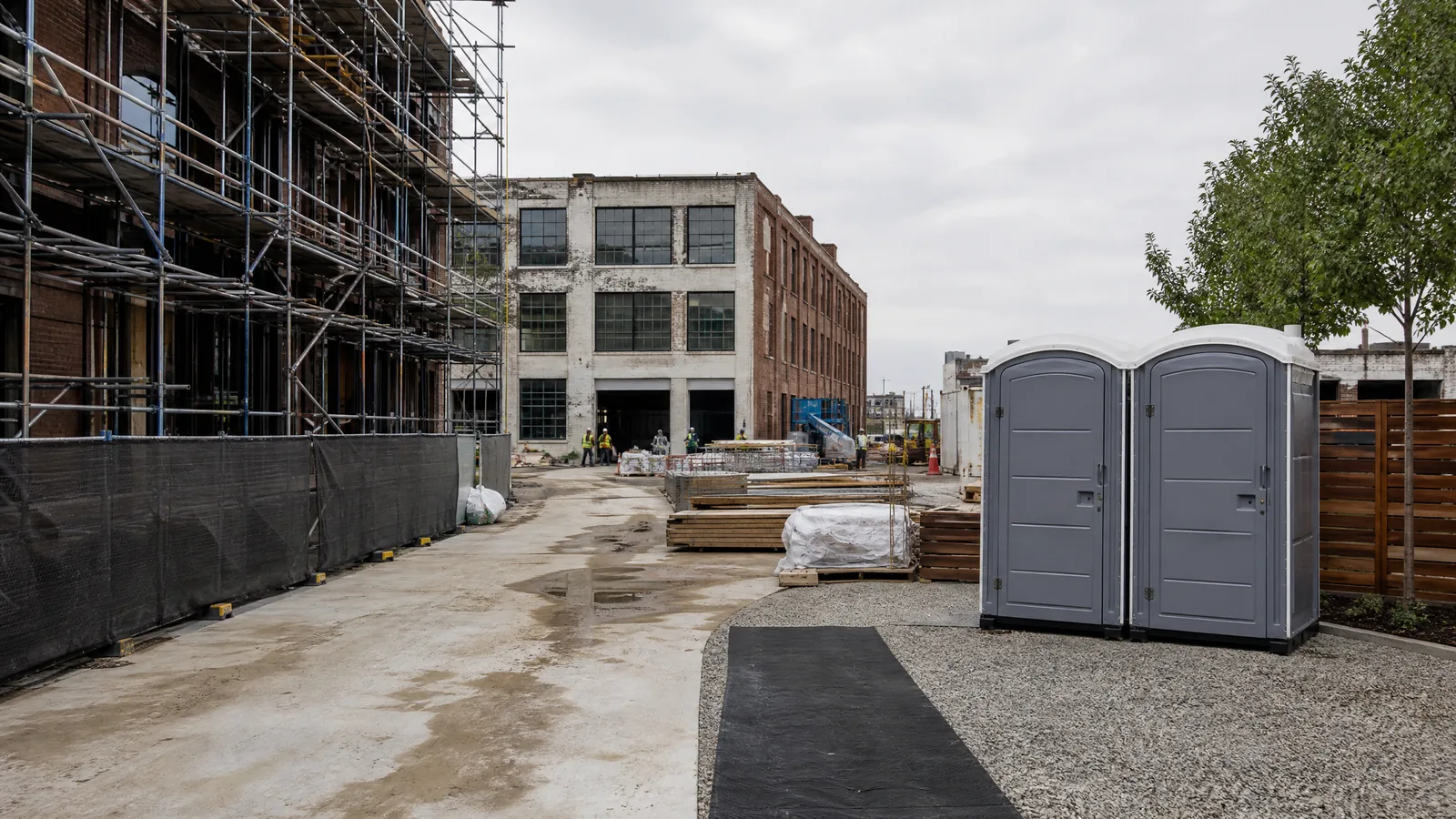
Portable Toilets for Riverside Construction Sites
Route: /construction-site-toilets/
Title: Construction Site Toilets in Riverside | Portable Jobsite Sanitation
Meta description: Organize portable toilets for Riverside construction and renovation sites with practical guidance on access, worker convenience, changing phases, and site safety.
Portable Toilets for Riverside Construction Sites
A construction toilet should be close enough for workers to use without losing unnecessary time, yet far enough from equipment paths, excavations, deliveries, and building operations to remain practical. The ideal location on a cleared lot may not be the ideal location after framing, utility work, or paving begins. Treat sanitation as a moving part of the site plan and review it whenever the work area changes.
Before discussing a rental, gather the number of workers by shift, expected project duration, current phase, gate and access information, surface conditions, and the name of the person who can approve placement. For projects that will continue through several phases, compare this page with long-term portable toilet rentals.
Choose a Workable Access Zone
The placement area should be reachable without asking workers to cross an unsafe zone or walk around active operations. Keep clear of crane swings, material storage, open trenches, temporary electrical work, heavy-vehicle turning paths, and emergency access. A superintendent or site lead should identify a location that can be serviced or adjusted without disrupting the work.
On residential developments, several lots may share a changing access road. On commercial or industrial work, a unit may need to sit near a perimeter while pedestrian and vehicle traffic remain separated. Do not assume that the closest visible spot is the best spot; the construction plan and daily hazards control.
Plan for Phases and Weather
A site that is firm in dry weather can become difficult after rain, grading, or irrigation work. Note whether the route is paved, compacted, muddy, narrow, gated, or subject to temporary closures. If the location must move, identify a backup area before the original becomes inaccessible. The site lead should also consider worker privacy, lighting, dust, and distance from break areas.
Practical Jobsite Checklist
Record workforce size, shifts, duration, current phase, access hours, gate dimensions, ground condition, nearby hazards, backup placement, and the person responsible for site instructions. Reconfirm the location after major grading, paving, fencing, or utility changes. If the project is near occupied homes or public sidewalks, add pedestrian separation and neighbor considerations to the plan.
Construction FAQs
Can a unit stay in one place for the whole project? Sometimes, but it depends on how access, hazards, grades, and work zones change. Review the placement at major milestones rather than assuming the original spot will remain workable.
Who should approve a jobsite restroom location? The project superintendent, site safety lead, property representative, or another person with authority over the site should approve it. They understand current hazards and the construction sequence.
Related pages: long-term portable toilet rentals, handwashing stations, and ADA portable restrooms.
Plan the next step with the site in view.
Call (951) 457-6733 or share a few details.
For a site-specific rental quote, call (951) 457-6733. Share the location, rental dates, expected users, and any access details when you call.